
eSIM pros and cons: the honest breakdown
An eSIM installs in two minutes from a QR code, with no plastic card, and lets a single phone carry several lines. That is the sales pitch, and it holds up. In practice the technology also has real limits: compatibility that depends on the model and sometimes on the country of purchase, a phone switch that is less immediate than moving a physical SIM, a profile that is usually single use, and carriers that do not all move at the same pace.
This breakdown covers the 7 advantages (instant activation, dual SIM, local plan while travelling, nothing to lose or break, physical security, connected devices, no plastic), the 6 drawbacks (compatibility, transferring to a new phone, single-use profile, dependence on a connection, uneven carrier support, SIM swap fraud), how it compares with a physical SIM day to day, a verdict per traveller profile, and the 4 checks to run before switching. No prices here: the subject is technical, not commercial.
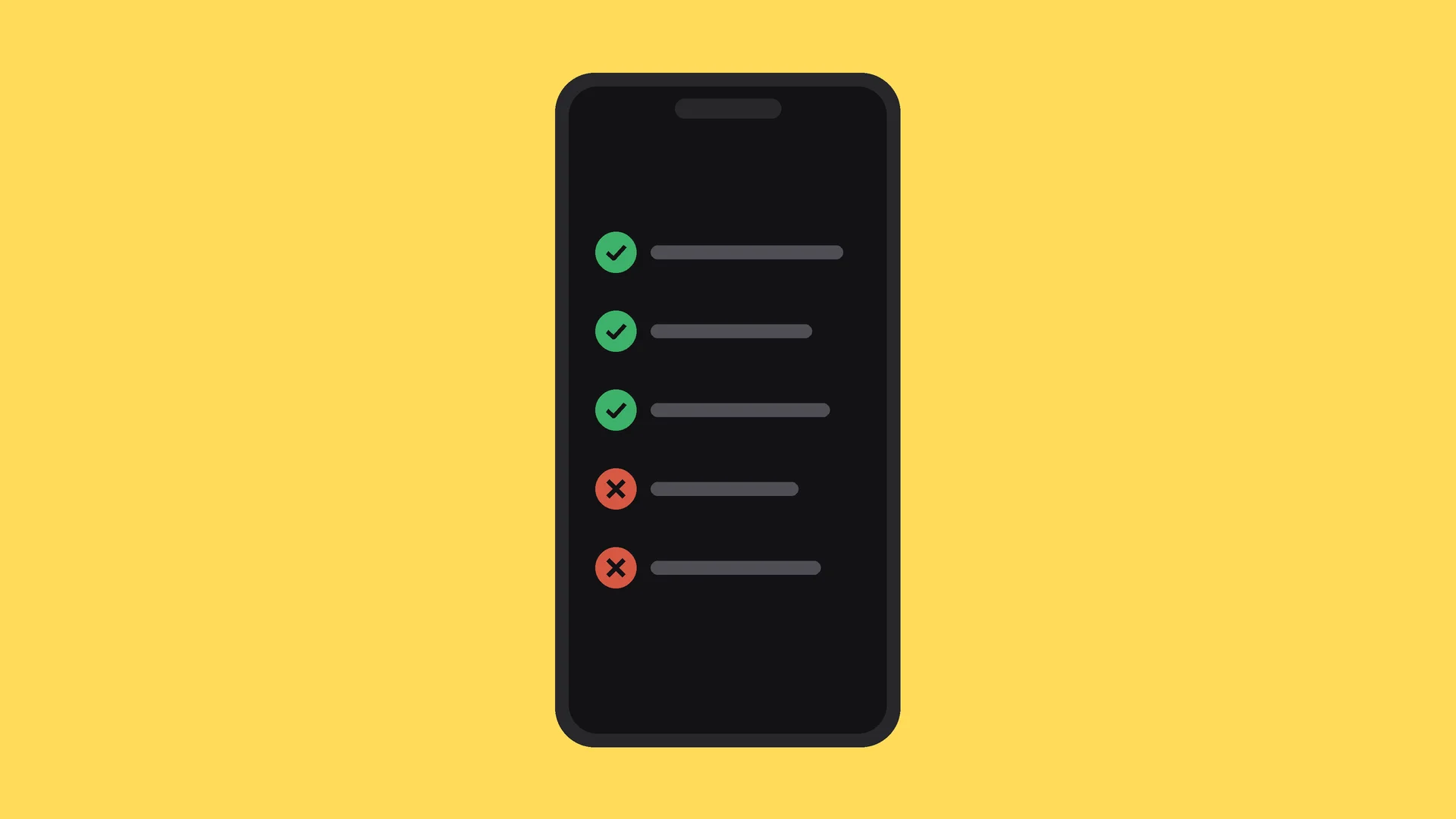
The eSIM verdict in 30 seconds
The short version fits in this video: five advantages, four limits, one verdict. The sourced detail follows right after.
The trade-off comes down to one sentence. An eSIM saves time and adds flexibility day to day, and it costs you on the day the phone changes hands, breaks down or goes in for repair. For a traveller the trade is almost always worth it. For someone juggling several devices and lending their line, much less so.
The 7 advantages of an eSIM
Every eSIM advantage comes from the same shift: the plan becomes a file you download instead of an object you carry. Everything else follows from that.
Instant activation: you buy the plan, a QR code lands in your inbox, you scan it, the line works. No store to find, no post to wait for, no opening hours. Sunday at 11 pm is as good as Tuesday morning.
Two lines on one phone: dual SIM becomes trivial. A personal and a work line, or your home line plus a local plan abroad, live on the same device with no second handset. On iPhone, Apple states that you can store eight eSIMs or more and keep two active at the same time, with Dual eSIM limited to iPhone 13 and later.
A local plan before you fly: this is the use case that made the technology take off. You install the plan at home, on wifi, the night before. You land connected, without hunting for an airport counter or paying your home carrier's roaming. Your usual line stays in place for texts. Concrete example: our ranking of the best eSIM for Indonesia compares six plans to install before leaving for Bali.
Nothing to lose, nothing to break: no paperclip, no tray to open, no tiny card to lose in a wash bag or snap while cutting it to the wrong size. The chip is soldered into the phone.
Harder to steal: a thief can pull a physical SIM in ten seconds to kill the line and the tracking. An eSIM, no. The line stays live, which leaves a chance of following the device.
Devices with no tray: smartwatches, tablets, cellular laptops. None of them would have standalone mobile connectivity without eSIM, for lack of physical room for a card.
No plastic, no shipping: no card manufactured, no blister pack, no postal delivery. Across the billions of SIM cards produced every year, that saving is not symbolic.
The 6 drawbacks of an eSIM
None of these drawbacks is a dealbreaker, but each one comes due on a specific day, usually the worst one. Better to know them first.
Compatibility is not a given: almost no phone released before 2018 supports it, and budget models still ship without eSIM. Worse, compatibility can depend on the market where the device was bought, not just the model: Samsung notes that depending on the country of origin, eSIM may not be supported even if your device is listed as compatible. A Galaxy S20 bought in one region may have it while the same model bought elsewhere does not. Before buying anything, check your exact phone model.
Changing phones gets harder: this is the most cited limit, and the fairest one. A physical SIM moves in ten seconds. An eSIM needs a software transfer that requires, according to a French market review published in August 2026, at least iOS 18.4 and the same Apple account on iPhone, or Android 12 with up-to-date Google Play services. Above all, your carrier has to support it, and not all of them have switched the feature on. The step by step is in our guide to changing a SIM card on iPhone.
A profile is usually single use: an eSIM QR code generally works once. Delete the line by mistake and the same code will not bring it back: you have to request a reissue from the carrier or provider, who sometimes charges for it. Never delete a profile to free up space.
Installing needs a connection: downloading a profile goes through the internet, in practice over wifi. Land with no network and no wifi and you cannot activate the eSIM you just bought. That is exactly why you install it before leaving.
Carrier support is uneven: the major networks handle eSIM, but several budget carriers still do not offer it, and service coverage is thinner in regions where the mobile market is less mature. Troubleshooting happens over chat or email, not by walking into a shop.
SIM swap fraud: this is the point most articles skip. The scheme is to impersonate you with your carrier so an eSIM is issued on the fraudster's device, then intercept the codes sent to you by text. Orange's cybersecurity portal describes the mechanism and reports, citing Kaspersky data, an average loss of 10,000 euros per victim. The technology did not create the fraud, which already existed with physical cards, but it makes it faster to pull off: there is no card to ship.
The rat's advice: the best defence against SIM swap costs nothing. Move your sensitive accounts, banking and email first, off SMS codes and onto an authenticator app. The day someone hijacks your line, they get nothing.
eSIM or physical SIM: what actually changes
Both technologies deliver the same service and connect to the same network at the same speed. What changes is the medium, and therefore your everyday habits. The full comparison sits on our page about what an eSIM is.
Getting one: minutes by email for an eSIM, days by post or a trip to a store for a physical card.
Number of lines: one card equals one line. An eSIM chip stores several profiles and activates one or two.
Changing phones: ten seconds with a card, a software transfer with an eSIM.
Lending it: possible with a card, impossible with an eSIM.
Loss or damage: a card goes missing, a chip does not.
While travelling: a card means buying on arrival and keeping your own one in a pocket. An eSIM is added before departure, with nothing removed.
The one practical advantage a physical SIM keeps is real but singular: it moves between devices instantly, without asking anyone's permission. On everything else, the eSIM is ahead.
Should you switch? The verdict per profile
There is no single answer, there are four clear-cut situations.
You travel several times a year: yes, without hesitation. This is where the gain is clearest, since a local plan installed before departure replaces roaming and the hunt for a counter on arrival. Compare plans country by country on our destination pages.
You want two lines on one phone: yes. Personal and work on the same device, with no second handset to carry and no card to swap.
Your phone predates 2018: no, the question does not arise. You would have to change device first, and eSIM alone does not justify that purchase.
You often lend or move your line: probably not. If you regularly move your card into a backup phone, help out a relative, or resell devices often, a physical card stays more flexible. There is a middle ground: keep your main line on a physical card and use eSIM only for travel plans.
4 things to check before switching
Your phone is compatible: dial *#06# on the keypad. If an EID number shows up alongside the IMEI, the eSIM chip is there. This thirty-second test works on iPhone and Android alike.
Your phone is unlocked: a device locked to a carrier will refuse a competing profile, eSIM or not.
Your carrier handles transfers: ask them, before switching, what happens the day you change phones, and whether reissuing a profile is charged. The answer varies by carrier, and it is what will decide how comfortable you are in two years.
Your sensitive accounts no longer depend on SMS: the check nobody runs, and the only one that really protects you. It applies to physical SIM cards too.
An eSIM is not a revolution, it is a change of medium. It removes a logistics constraint and adds a software one. For most uses, and for travel in particular, the trade is clearly favourable, provided you have a recent phone and do not discover the transfer procedure on the day your screen breaks.
Frequently asked questions
What are the main drawbacks of an eSIM?
Is an eSIM safer than a physical SIM card?
What happens to my eSIM if my phone breaks?
Can you go back to a physical SIM after switching to eSIM?
How many eSIM profiles can a phone store?
Does an eSIM use more battery?
Do you need internet to use an eSIM?
Most read
 August 18, 202614 min read
Free Mobile country list: the destinations included abroad (2026)
Free 5G+ plan: 35 GB across 117 destinations. Free Max: unlimited in over 140. The full list of included countries, the limits and the plan B.
 Rony
Rony July 28, 20267 min read
Squeezie eSIM: should you use the Saily promo code?
Squeezie sponsors the Saily eSIM with a -15% promo code. We break down the offer, compare price per GB and tell you whether it is really the best deal.
Rony August 28, 202610 min read
Free eSIM: what is actually free, and what is not (2026)
Six eSIMs with real free data, as reported on September 15, 2026, from providers, their terms and conditions, and when paying €0.80 becomes the smarter choice.
Rony August 19, 20269 min read
La Poste Mobile eSIM: not available yet, and here is when that changes (2026)
La Poste Mobile does not offer eSIM yet, only physical SIM cards. Announced launch date, alternatives and compatible phones in 2026.
Rony August 25, 202610 min read
Numero eSIM review: legit or not? What the ratings don't tell you (2026)
Suspended Trustpilot rating, 3.5/5 on the App Store, disputed charges: our full Numero eSIM review, with verified prices and the alternatives.
Rony August 26, 20269 min read
Does WhatsApp use mobile data? How much, and how to stay in control (2026)
WhatsApp eats into your data plan: from 0.01 MB per message to 20 MB per minute of video call. The numbers, the settings that save your plan, the travel case.
Rony